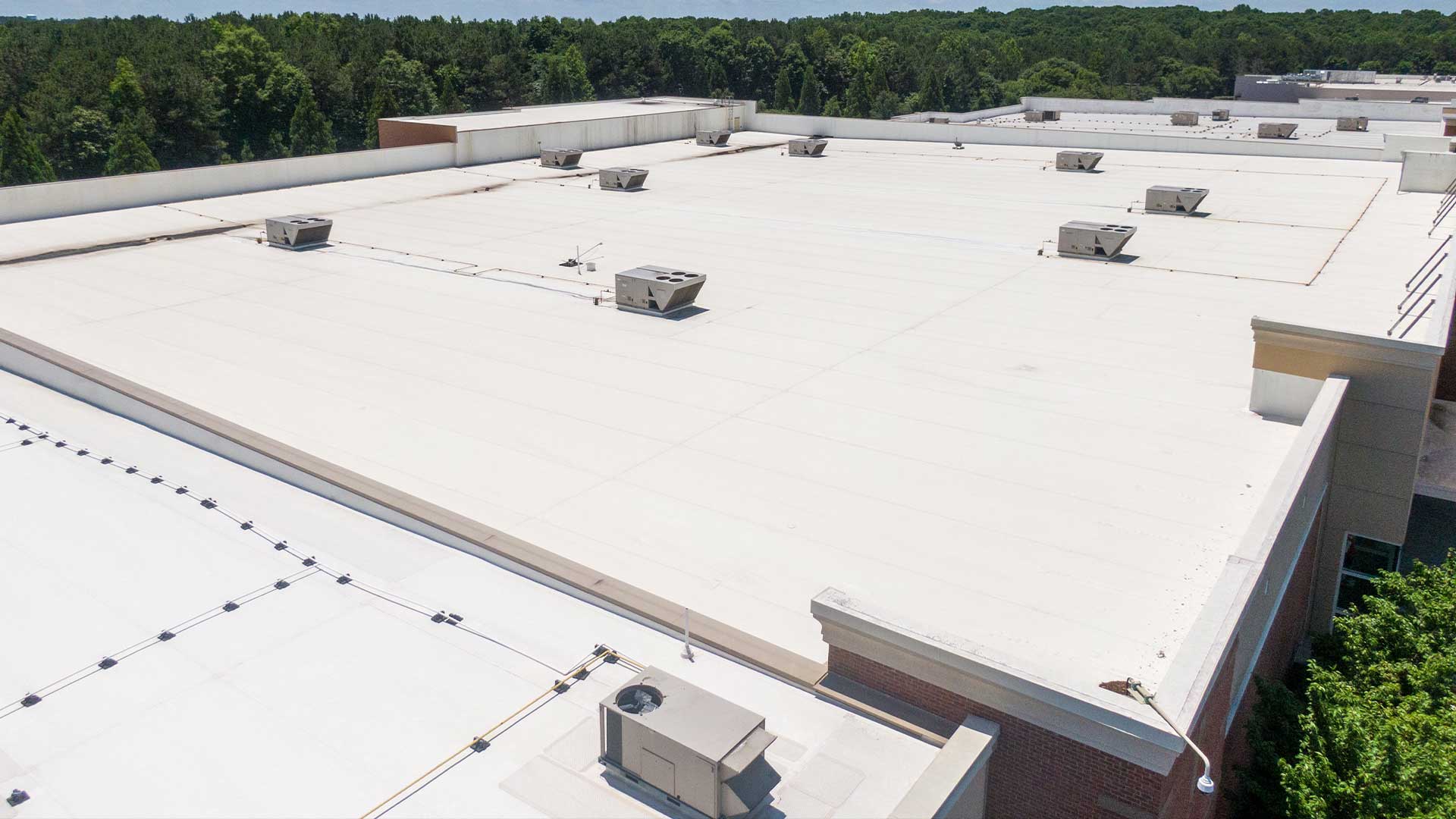
TPO roofing is a popular single-ply membrane system commonly used on flat or low-slope commercial and industrial roofs. It's made from a blend of polypropylene and ethylene-propylene rubber, reinforced with a polyester scrim for added strength, and typically comes in large white sheets that are heat-welded at the seams for a watertight seal. TPO stands out for its high solar reflectivity (helping reduce cooling costs and earn energy-efficient ratings), UV resistance, durability against weather and punctures, ease of installation, and relatively low cost compared to alternatives like EPDM or PVC—making it one of the fastest-growing options for modern flat roofs.
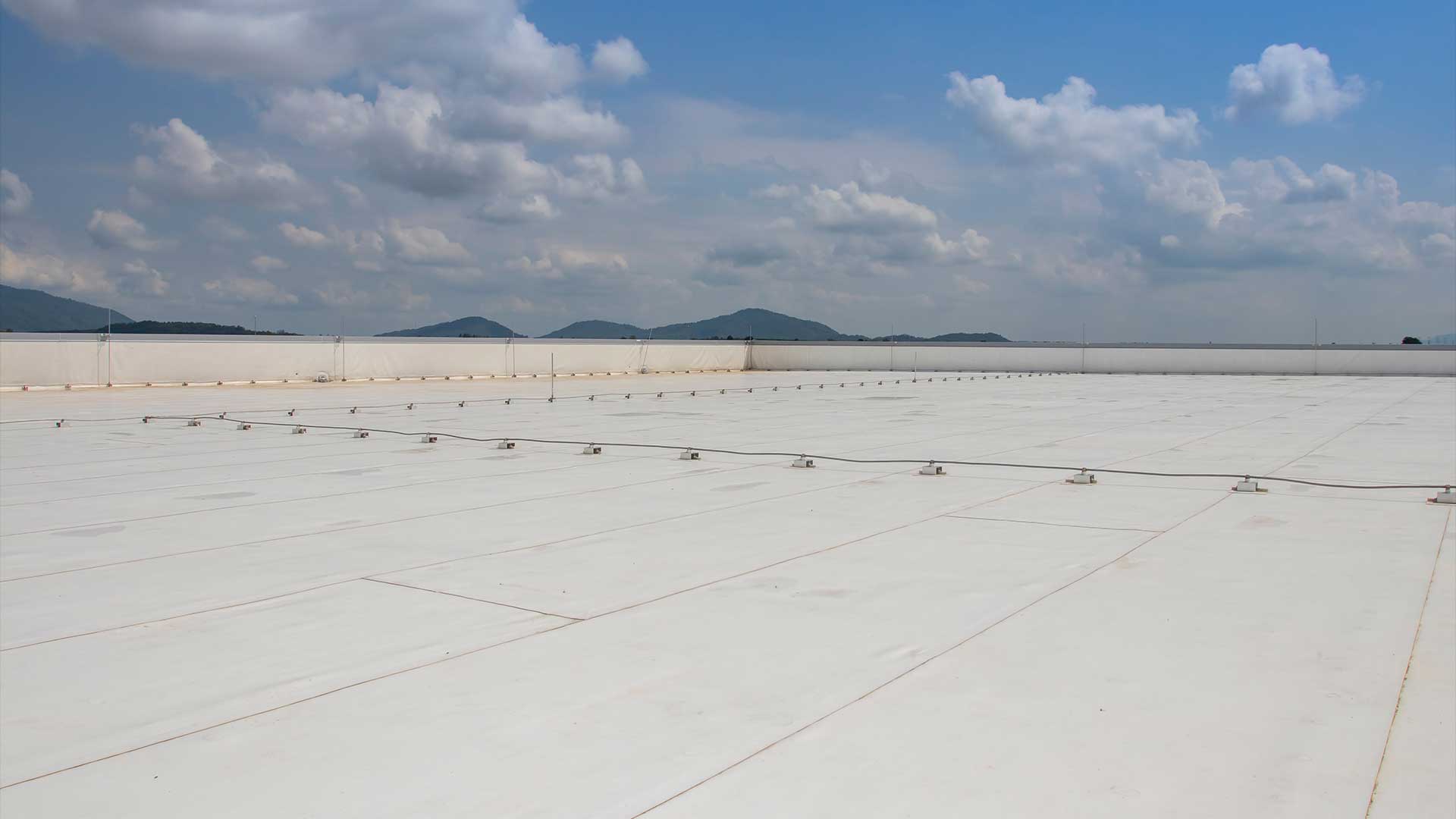
PVC roofing is a durable single-ply thermoplastic membrane widely used on flat or low-slope commercial roofs (and sometimes residential ones). It consists of two layers of flexible PVC vinyl bonded around a polyester scrim reinforcement for added strength and tear resistance, typically installed in large white sheets that are heat-welded at the seams to create a seamless, watertight barrier. PVC excels in harsh environments thanks to its superior resistance to chemicals, grease, animal fats, fire, punctures, and UV exposure, while its high solar reflectivity helps lower cooling costs and improve energy efficiency—similar to TPO but with better chemical and fire performance. It's been a trusted option since the 1960s/1970s, often chosen for buildings like restaurants, airports, or industrial facilities where exposure to oils or pollutants is a concern, and it can last 30+ years with proper installation.
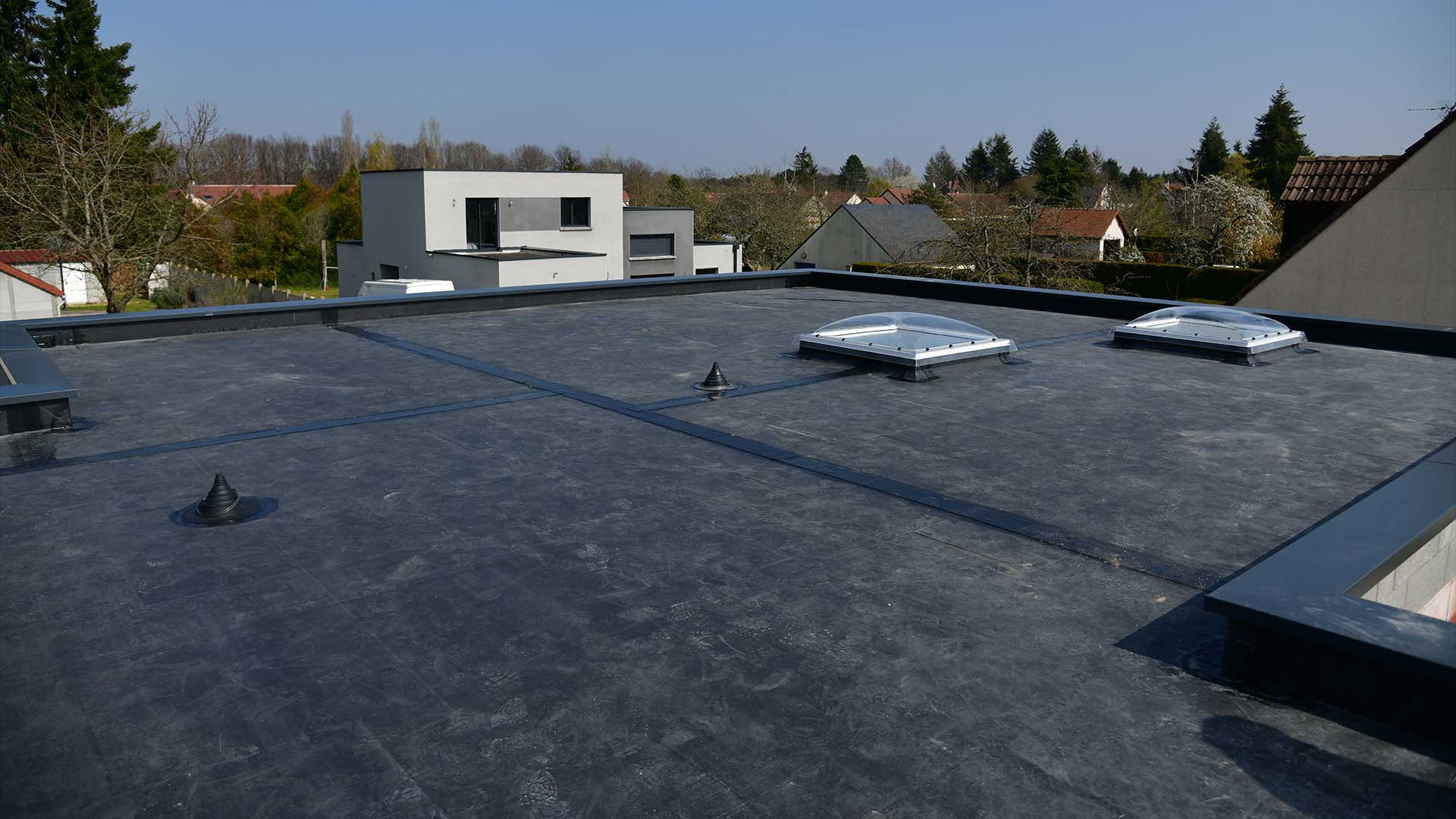
EPDM roofing, short for Ethylene Propylene Diene Monomer (or terpolymer), is a widely used single-ply synthetic rubber membrane that's a go-to choice for flat or low-slope commercial roofs (and sometimes residential applications like patios or carports). Made primarily from ethylene and propylene derived from oil and natural gas, plus a diene component for added flexibility and durability, it comes in large rolls (often black, but also white or gray) in thicknesses like 45, 60, or 90 mils, and is installed via methods such as fully adhered, mechanically fastened, or ballasted, with seams sealed using adhesives or tape rather than heat-welding. Known for its exceptional resistance to UV rays, ozone, extreme temperatures, weathering, hail, and punctures, EPDM has a proven track record since the 1960s—many black systems last 40+ years with proper care—making it cost-effective, flexible even in cold weather, and reliable for long-term waterproofing on low-slope roofs, though it lacks the high solar reflectivity of white thermoplastics like TPO or PVC unless a white version is chosen.
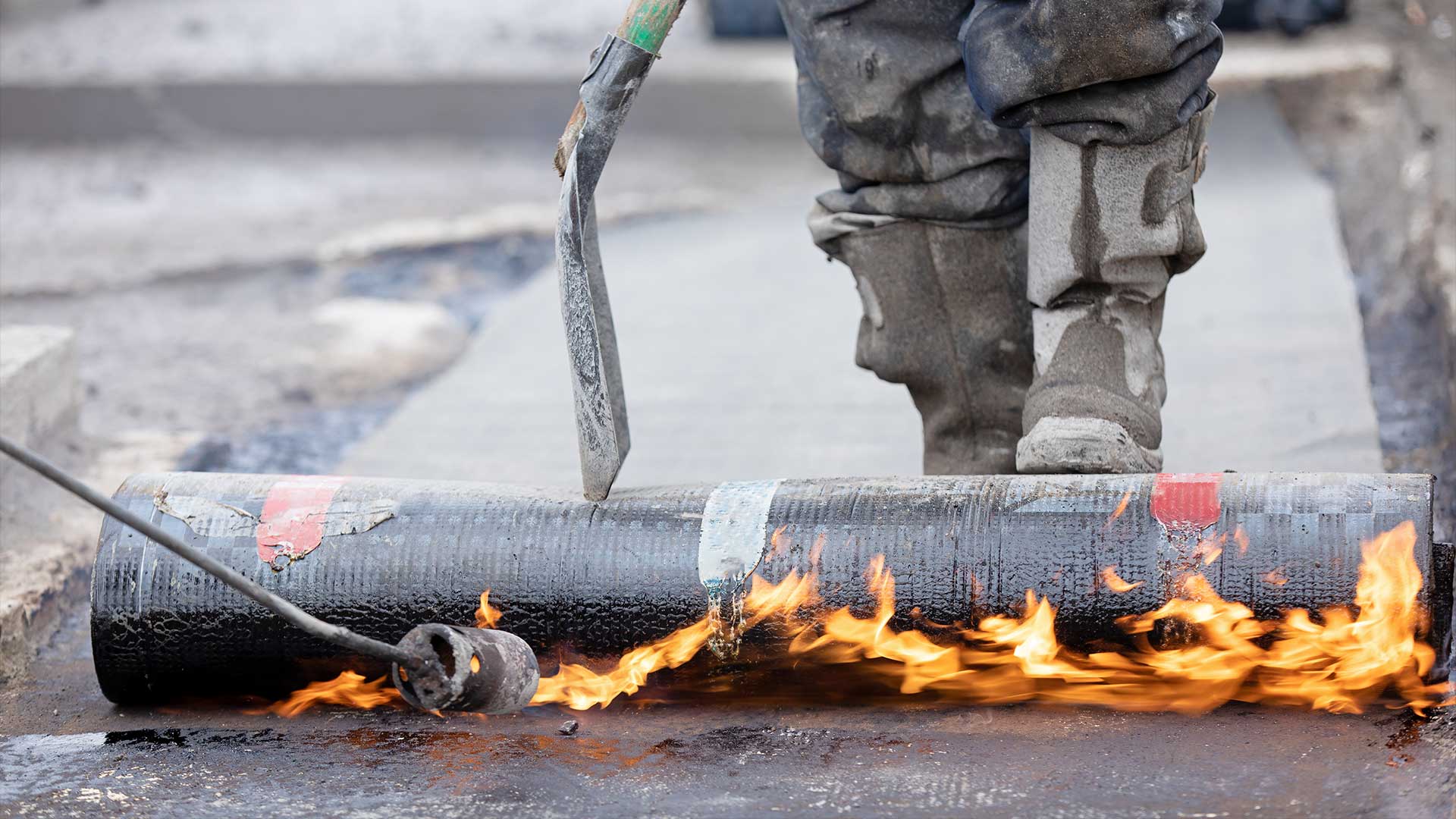
Modified bitumen roofing, often called "mod bit" or MB, is an asphalt-based multi-ply membrane system popular for flat or low-slope commercial, industrial, and sometimes residential roofs. It improves on traditional built-up roofing (BUR) by blending asphalt with polymer modifiers—typically SBS (styrene-butadiene-styrene rubber for elasticity and cold-weather flexibility) or APP (atactic polypropylene plastic for heat resistance)—and reinforcing it with fiberglass or polyester scrims for added strength and tear resistance. Installed in rolls as base and cap sheets (often 2–4 plies total), it uses methods like torch-down (heat-welding), cold adhesives, self-adhered, or hot mopping to create durable, waterproof layers, frequently topped with granules for UV protection. Since its development in the 1960s, modified bitumen has become a trusted, cost-effective option known for excellent puncture resistance, flexibility in temperature extremes, ease of repair, and longevity of 20–30+ years with proper installation—making it ideal for buildings needing robust, traffic-tolerant flat roofing without the higher costs of some single-ply systems like TPO or PVC.
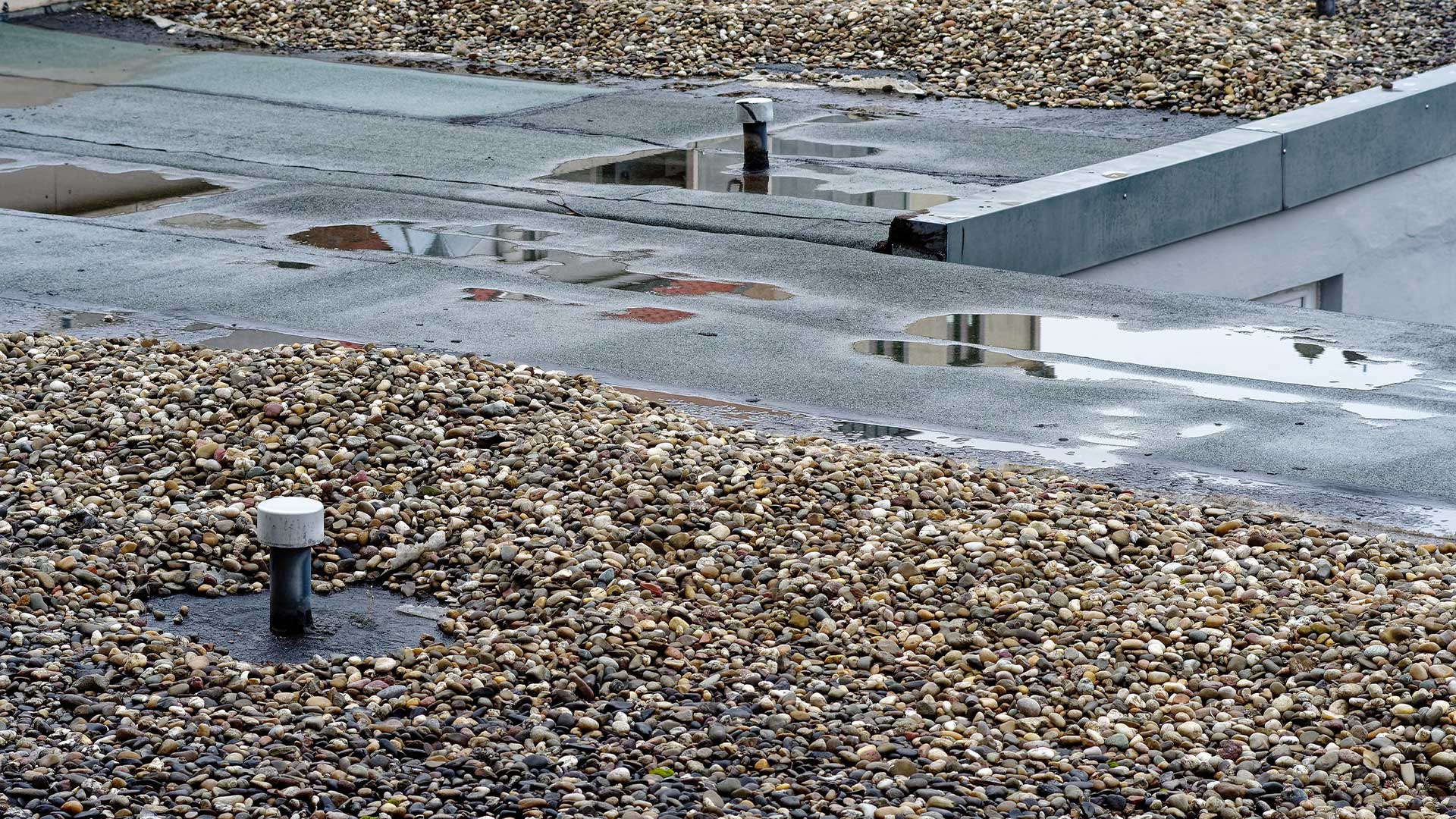
Built-up roofing, commonly abbreviated as BUR (and often nicknamed "tar and gravel"), is a traditional multi-ply membrane system that's one of the oldest and most proven options for flat or low-slope commercial roofs, dating back over 150 years. It consists of multiple alternating layers (typically 3–5 plies) of reinforcing felts (fiberglass or organic-based) saturated and bonded with hot bitumen (asphalt or sometimes coal tar pitch), applied over insulation and the roof deck to create a thick, redundant waterproof barrier. The system is finished with a flood coat of asphalt topped by aggregate surfacing like gravel, slag, or mineral granules, which provides UV protection, fire resistance, puncture resistance, and added durability against weather and foot traffic. Known for its exceptional longevity—often 20–40+ years with proper maintenance—BUR excels in redundancy and reliability but involves labor-intensive hot-mop or torch installation, making it heavier and less reflective than modern single-ply alternatives like TPO or EPDM unless a reflective coating is added.
Flat roofs (also called low-slope roofs) aren't truly level—they have a minimum slope of about 1/4 inch per foot (or 1-2%) to allow water drainage. They appear flat compared to pitched roofs (which are 3:12 or steeper). Without this slight pitch, ponding water would cause major issues.
Common ones include:
EPDM (synthetic rubber, black or white-coated) — durable and flexible.
TPO (thermoplastic polyolefin, usually white/reflective) — energy-efficient and seam-welded.
PVC (polyvinyl chloride, white) — highly resistant to chemicals, fire, and punctures.
Modified bitumen (torch-down or self-adhered layers) — multi-layer asphalt-based.
Built-up roofing (BUR) (tar/gravel layers) — traditional but heavier and less common now.
Pros: Lower installation cost (fewer materials, simpler labor), easier access for maintenance/repairs, usable space (e.g., rooftop deck, solar panels, green roof), modern/minimalist aesthetic, and better energy efficiency with reflective coatings (especially TPO/PVC in hot climates).
Cons: Higher risk of ponding/leaks if drainage fails, more maintenance required (e.g., clearing debris/drains), shorter lifespan in poor climates without care, and potential for higher heat absorption (unless coated white).
With proper installation and regular maintenance, modern flat roofs last 15–35 years on average. It varies by material:
EPDM: 20–40 years (some reach 50+ with excellent care).
TPO: 15–30 years (often 20–25).
PVC: 20–35 years (highly durable).
Modified bitumen/BUR: 15–25 years. Lifespan drops significantly without maintenance (e.g., clogged drains or ignored UV damage).
Common causes:
- Poor drainage (clogged drains/scuppers, inadequate slope).
- Ponding water (standing >48 hours weakens membranes, causes blistering/cracking).
- Failed flashing/seams around penetrations (HVAC, vents, edges).
- Membrane damage (punctures, UV degradation, thermal movement).
- Poor installation (e.g., bad seams or flashing).
Ponding is a big problem because constant water pressure finds weak spots—fix by ensuring positive drainage and clearing debris regularly.
Yes! We’re one of the oldest companies in Alabama and still have extensive experience in repairing these roof systems. Ultimately, we recommend phasing these systems out in favor of TPO, PVC or EPDM, but for now we can help keep your roof maintained and water-tight.

Roof leaks are a serious issue for commercial property owners leading to expensive damage. Our repair crews are on stand-by to help you stop the leaks so you can get back to business.

Repair cost are getting out of hand. Our expert roof assessors can help you put together a replacement plan that will work with your budget so you can stop the out of control repair cost and invest in the value of your property instead.

Property owners dread unexpected roof problems. Our Comprehensive Inspection Service will help you understand your roof and have a long term care plan. So you can stay ahead and feel proactive.
Missed details during estimating can blow up budgets later. We focus on risk management, deep plan reviews, and clear communication with your team. That way, your project runs efficiently and delivers quality.


1815 Burgin Ave, Birmingham, AL 35217

_jpeg.jpg.avif)

