
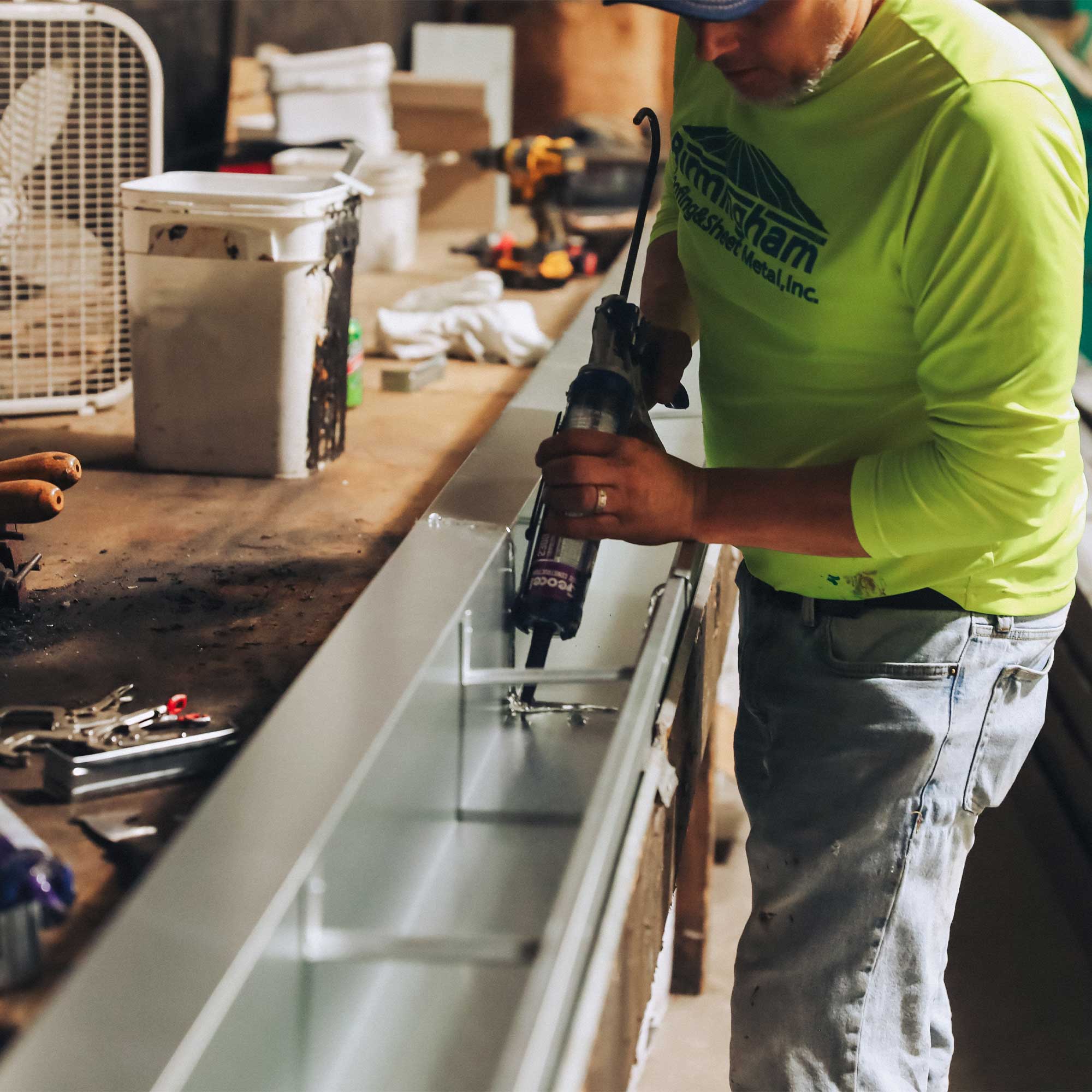
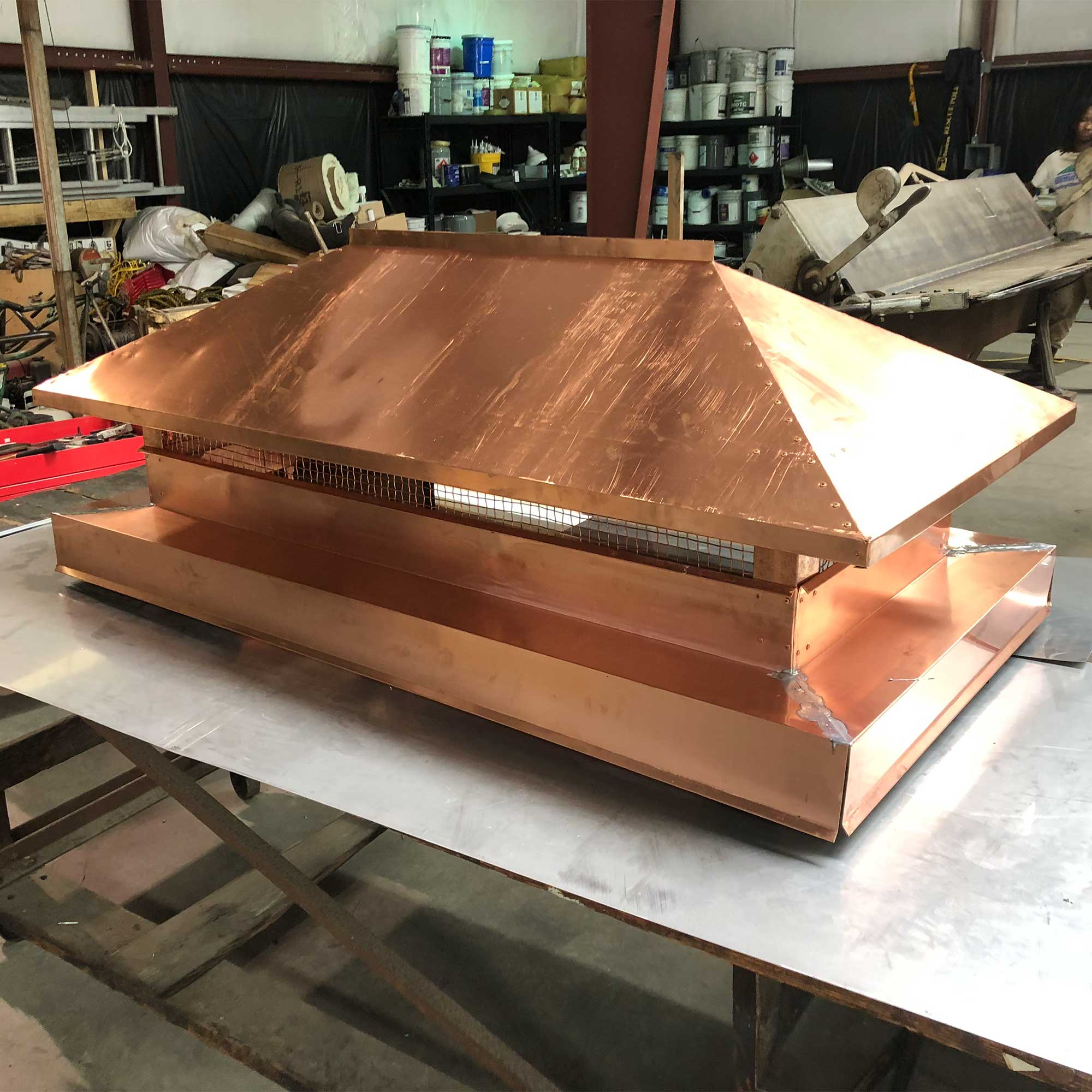
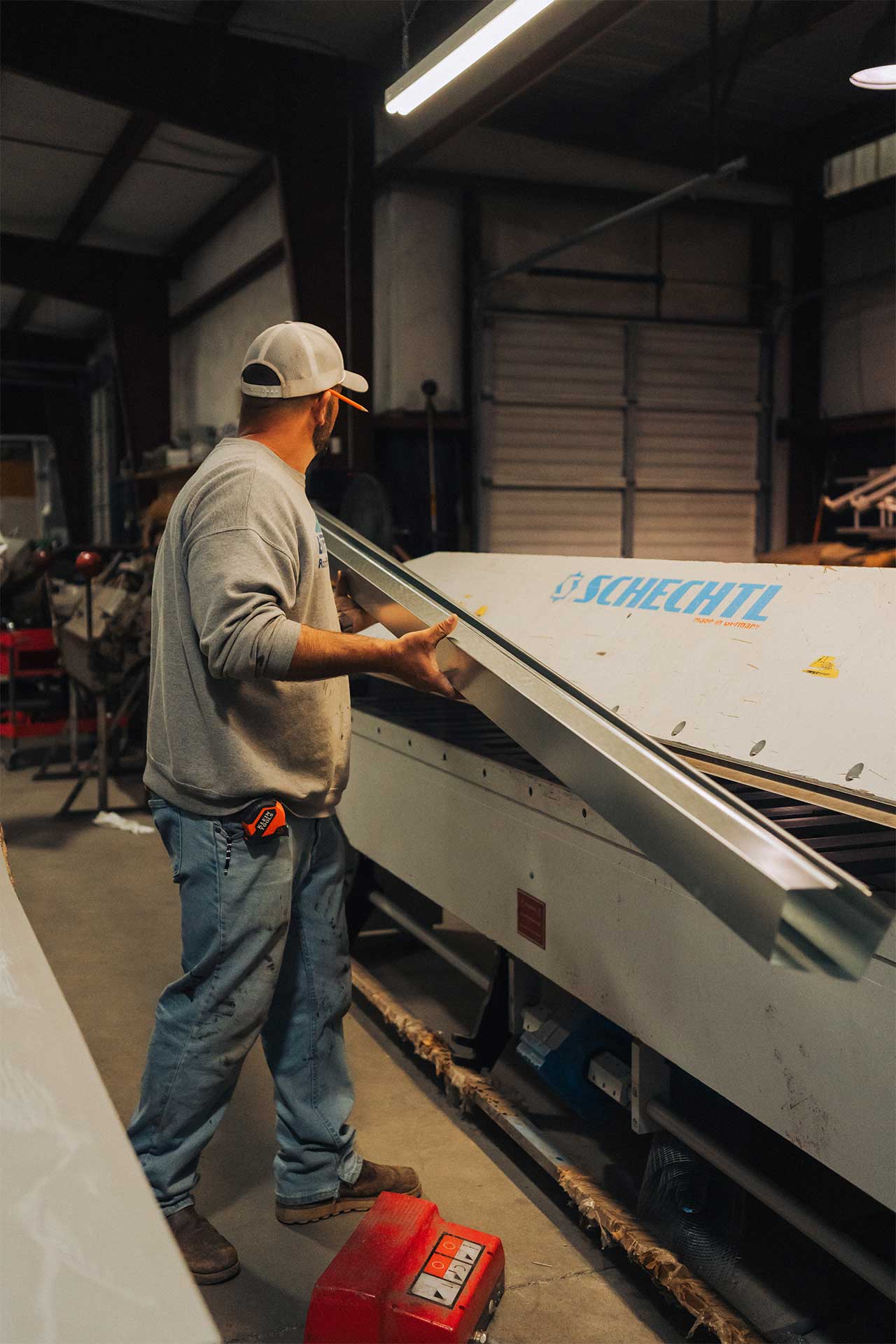
Roof coping (also called coping caps or parapet caps) is a metal cover installed on top of parapet walls (the vertical extensions around the roof perimeter). Its main purposes are to shed water away from the wall (typically sloped toward the roof), prevent water infiltration into porous masonry or walls, protect against UV damage, reduce wind uplift on the parapet, and seal the top of the roof membrane against the wall. Without proper coping, water can enter the wall, leading to leaks, freeze-thaw damage, or efflorescence (white, chalky stains on walls from salt leaching).
Base flashing: Installed at the base of vertical surfaces (e.g., parapet walls, chimneys, skylights) to protect the joint between the roof membrane and wall.
Counterflashing (or cap flashing): Often paired with base flashing; it covers and seals the top edge of base flashing or membrane terminations.
Penetration flashings: Around vents, pipes, or curbs to seal roof penetrations. These flashings ensure water flows away from joints rather than seeping in, which is especially critical on flat roofs where ponding can occur.
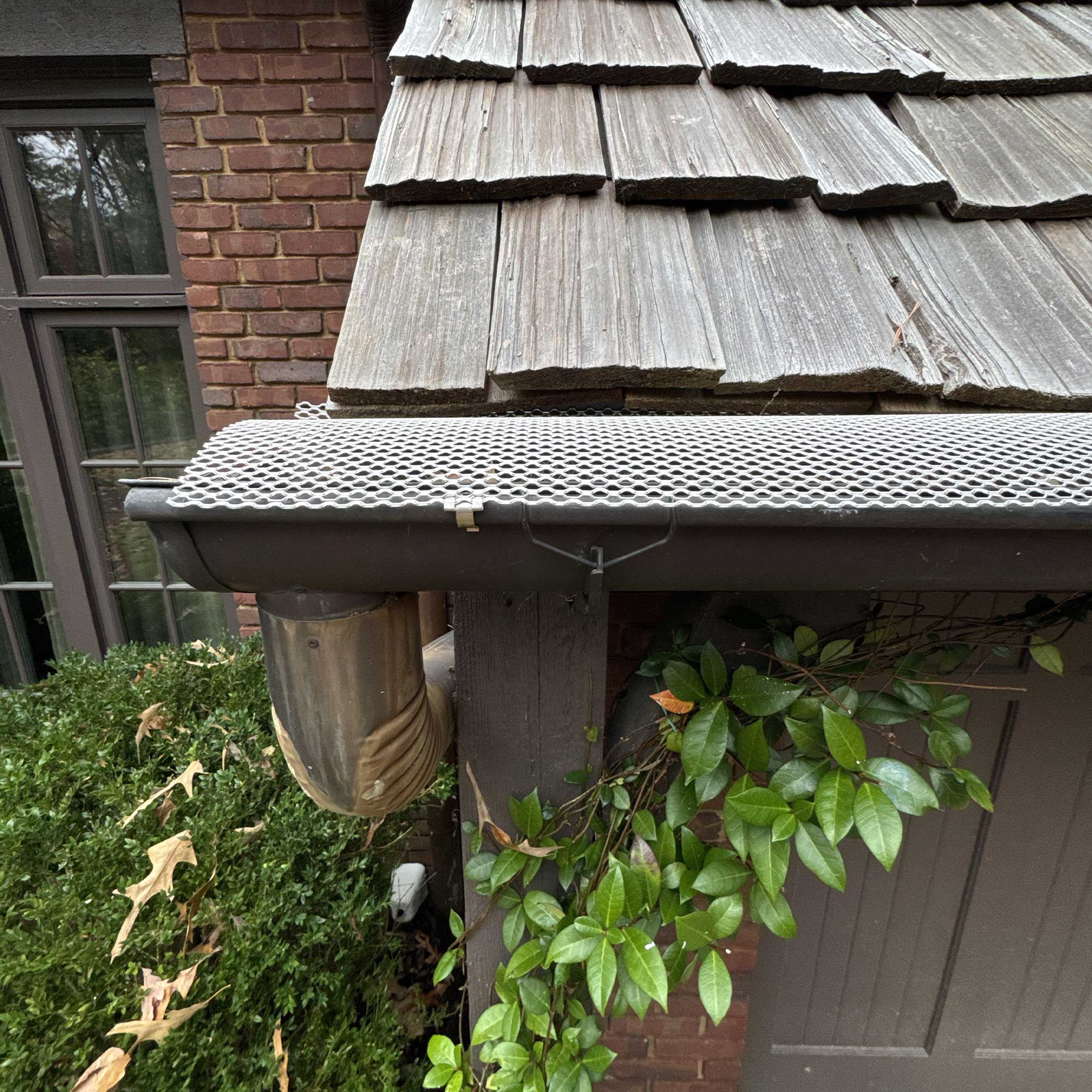
On flat roofs, gutters (often internal or scupper-style) collect and channel water to downspouts. Architectural metal gutters provide durable, custom edges and help prevent overflow or ice damming. Scuppers (metal outlets through parapet walls) are common for drainage. Proper sizing, slope, and integration with flashings prevent backups that could damage the roof membrane or cause interior leaks.
Coping is typically sloped toward the roof interior to direct water back onto the roof surface for controlled drainage through roof drains or scuppers. Sloping outward can cause streaking on exterior walls (from dirt/debris wash-off) or direct water against siding/fascia, leading to stains or damage. Inward slope helps maintain the building's aesthetics and prevents uncontrolled runoff.
Common materials include aluminum, galvanized steel, stainless steel, copper, or coated metals (e.g., Kynar-coated for durability). Aluminum is lightweight and corrosion-resistant; galvanized steel offers strength; copper provides longevity but can patina. Choices depend on budget, aesthetics, wind loads, and compatibility to avoid galvanic corrosion (dissimilar metals reacting).
Perimeter edge metal (with a drip) secures the roof membrane at edges, provides wind resistance (often tested to ES-1 standards), and directs water away from fascia. It prevents membrane blow-off in high winds and works alongside coping on parapeted roofs to create a complete watertight edge system.
Issues include poor sealing at joints (leading to leaks), incorrect slope causing ponding or streaking, corrosion from dissimilar metals, oil canning (waviness in panels), failed fasteners/clips, or efflorescence from water intrusion under coping. Regular inspections and proper installation (e.g., using cleats, expansion joints, and sealants) prevent most problems.
Yes—clean debris regularly to avoid clogs in gutters/scuppers, inspect joints/sealants annually for cracks, check for corrosion or loose fasteners, and ensure drainage paths remain clear. Metal flashings/coping last decades with maintenance but can fail prematurely if not sloped correctly or if seals degrade.

Roof leaks are a serious issue for commercial property owners leading to expensive damage. Our repair crews are on stand-by to help you stop the leaks so you can get back to business.

Repair cost are getting out of hand. Our expert roof assessors can help you put together a replacement plan that will work with your budget so you can stop the out of control repair cost and invest in your property instead.

Property owners dread unexpected roof problems. Our Comprehensive Inspection Service will help you understand your roof and have a long term care plan. So you can stay ahead and feel proactive.
Missed details during estimating can blow up budgets later. We focus on risk management, deep plan reviews, and clear communication with your team. That way, your project runs efficiently and delivers quality.


1815 Burgin Ave, Birmingham, AL 35217

_jpeg.jpg.avif)

